
Updated Information
Categories
Popular
How to Buy Real Estate in Japan as a Foreigner: A Complete Step-by-Step Guide
Property Knowledge
【Updated data in 2025】Japan’s Land Prices Continue to Surge, with Tokyo’s 23 Wards Leading the Growth
Market Information

Essential Knowledge for Property Investment in Japan (Part 1): Understanding Japan’s Earthquake Resistance Standards
Property Knowledge

Tokyo Rents Surge to 30-Year High: Why This Rising Trend Signals a Prime Investment Opportunity in the Property Market?
Market Information
Exploring Koenji: A Harmonious Blend of City Convenience and Creative Culture
Exploring Tokyo

Why Kamata area is the Next Hotspot for Property Investment in Tokyo?
Exploring Tokyo
【2026 Tokyo Autumn Foliage Guide】 Viewing Foliage & Exploring Property Potential
Every late autumn, Tokyo’s autumn foliage and ginkgo-lined streets create more than a seasonal backdrop, they provide real estate investors with a strategic window to assess local livability, urban green space, and land value on-site. This article highlights top foliage destinations and emerging markets, evaluating each district’s lifestyle dynamics and property investment potential.
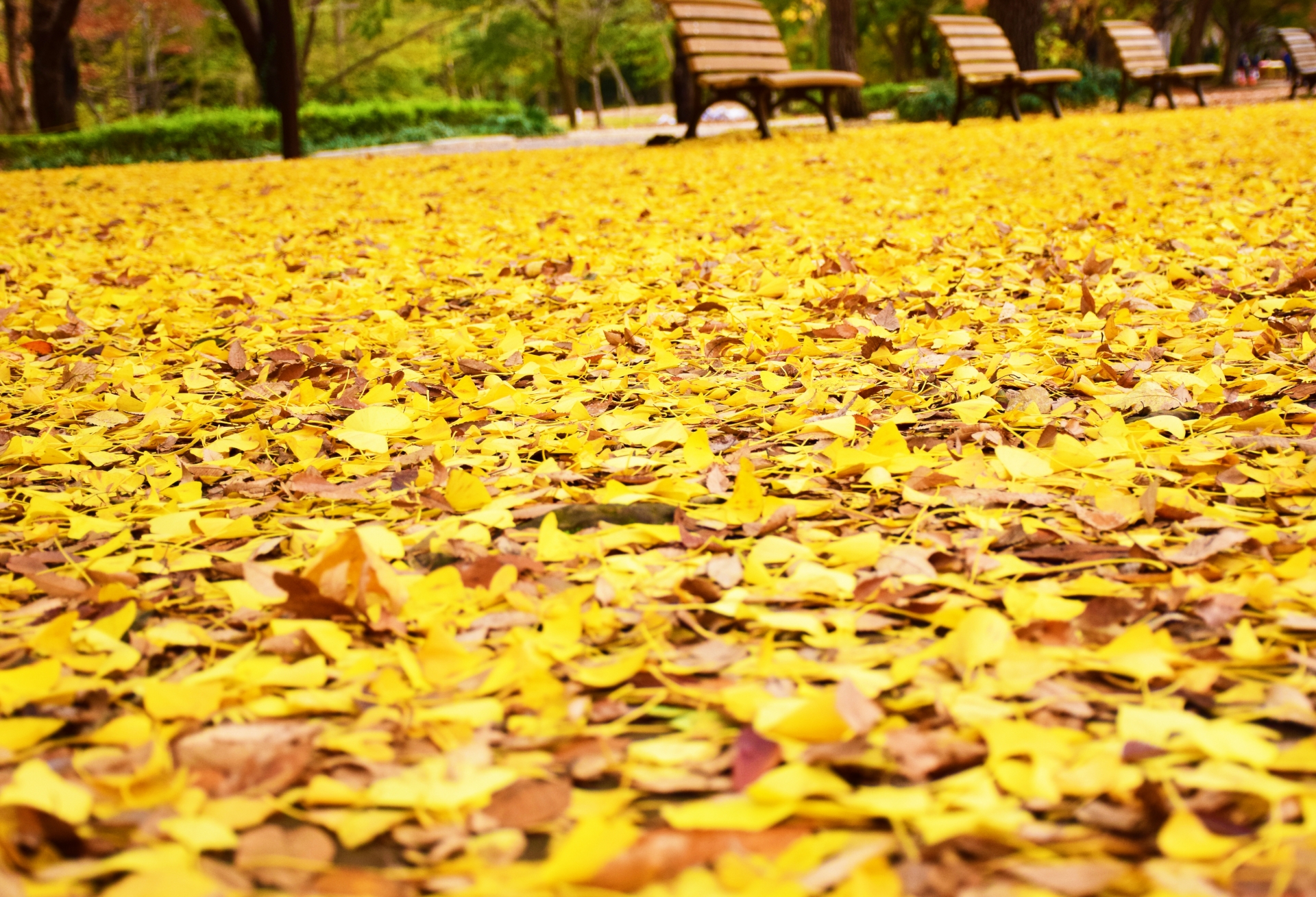
From late November to early December, Tokyo transforms with deep reds, vibrant oranges, and brilliant golds. Across historic Edo gardens, central parks, quiet valleys, and waterfront greenways, the city attracts visitors and residents alike.
For real estate investors and homebuyers, autumn leaf viewing is more than a seasonal highlight, it is a prime opportunity for on-the-ground evaluations of neighborhood livability, public greenery, safety, and location value. Districts anchored by major green spaces generate stable residential demand, making their property assets resilient with strong capital preservation.
In this article, we examine popular foliage destinations alongside high-potential emerging districts, analyzing their local lifestyle appeal and real estate investment potential.
(1) Classic Autumn: Prime Foliage Meets Core Urban Locations
1. Bunkyo Ward: Rikugien & Koishikawa Korakuen
Foliage Spots & Neighborhood Appeal:
- Rikugien Garden: Built in 1702, this classic Edo-period stroll garden features 400 maple and 150 ginkgo trees. Peak autumn brings vibrant foliage around Tsugetsu Bridge, while evening illuminations reflect stunning red maples across the central pond.
- Koishikawa Korakuen: One of Tokyo’s oldest historic gardens, founded by the Mito Tokugawa family with Ming-dynasty landscape design. Over 480 maples frame Togetsu Bridge and Kantokutei teahouse, offering a serene green retreat in central Tokyo.

- Neighborhood Livability & Lifestyle: Located in Tokyo’s core six wards, Bunkyo Ward is Tokyo’s premier educational and medical hub. The district hosts top institutions like the University of Tokyo (Hongo Campus) alongside major medical centers including Tokyo University Hospital and Juntendo Hospital. Consistently ranked among the safest wards in Tokyo, Bunkyo combines a quiet residential atmosphere and rich academic culture with leisure convenience near Tokyo Dome City.
- Real Estate Investment & Property Value: Situated on stable Yamanote high ground, Bunkyo Ward attracts long-term residents, including university professors, medical professionals, and family buyers. This affluent resident profile creates strong end-user housing demand and low tenant turnover.Whether investing in Tokyo residential real estate for personal use or high-yield rental properties near university campuses and subway lines, Bunkyo offers excellent capital preservation, price stability, and resilient rental demand.
2. Shinjuku Ward: Shinjuku Gyoen & Meiji Jingu Gaien
Foliage Spots & Neighborhood Appeal:
- Shinjuku Gyoen National Garden: Spanning 58 hectares, this former Edo-period feudal lord estate evolved into an expansive imperial garden blending Japanese traditional, English landscape, and French formal styles. Home to over 10,000 trees—including extensive maples, plane trees, and ginkgos—late autumn brings vibrant red maples reflecting in traditional ponds alongside sweeping golden lawns, making it Tokyo’s premier urban park for autumn photography and relaxation.
- Meiji Jingu Gaien: Internationally renowned for its iconic Ginkgo Avenue (Icho Namiki). This 300-meter boulevard features 146 meticulously pruned ginkgo trees stretching from Aoyama-dori to the Meiji Memorial Picture Gallery. From late November to early December, the canopy transforms into a brilliant golden tunnel, creating one of Tokyo’s most celebrated seasonal landmarks.

- Neighborhood Overview & Lifestyle Appeal: Shinjuku Ward is a premier commercial, administrative, and cultural centerpiece in central Tokyo. Home to the world’s busiest transit hub (Shinjuku Station) and the Nishi-Shinjuku corporate skyline, the ward offers elite retail at Isetan and Takashimaya, alongside historic dining precincts like Kagurazaka. With Shinjuku Gyoen and Meiji Jingu Gaien providing expansive urban greenery, the neighborhood offers an unparalleled lifestyle blending ultra-convenient city living with direct access to nature.
- Location Potential & Asset Observations: Powered by world-class transit and commercial infrastructure, Shinjuku generates robust, continuous housing demand among local professionals and multinational executives. This strong demand profile makes Tower Mansions and compact central units highly liquid assets. For international investors, Shinjuku property investments deliver excellent tenant absorption, dependable rental income, and resilient long-term capital preservation in a prime core location.
3. Suginami Ward: Ota Kuro Park
Foliage Spots & Neighborhood Appeal:
- Ota Kuro Park: A hidden Japanese garden tucked away in a quiet residential pocket of Ogikubo, Suginami Ward. Originally the private residence of famous music critic Motoo Ota Kuro, the park features a 70-meter ginkgo-lined approach at its entrance that turns completely golden in fall. Inside, circuit paths wind around ancient maple trees over a century old. During special evening light-up events, crimson leaves reflect onto the mirror-like pond alongside classic tea houses and stone lanterns, exuding a quiet, historic charm.

- Neighborhood Overview & Lifestyle Appeal: Located on the western side of central Tokyo along the famous “Chuo Line Culture Zone,” Suginami Ward encompasses classic neighborhoods such as Ogikubo, Asagaya, and Koenji. Since the Taisho and Showa eras, Ogikubo has been a favored retreat for literary figures, politicians, and business leaders, retaining its prestigious, quiet residential character. Ogikubo Station offers excellent everyday convenience with department stores, independent bookstores, renowned curry shops, and live music venues, along with top public schools and low crime rates.
- Location Potential & Asset Observations: The area surrounding Ogikubo consists primarily of low-density, high-greenery residential neighborhoods with low tenant turnover and long residential stay lengths. Served by both the JR Chuo Line and Tokyo Metro Marunouchi Line, commuting to Shinjuku, Ginza, and Tokyo Station is effortless. Due to limited land supply, resale homes and low-rise apartments in this area maintain a chronic supply deficit, offering excellent capital preservation for buyers seeking a high quality of life and long-term asset stability.
4. Shibuya Ward: Yoyogi Park
Foliage Spots & Neighborhood Appeal:
- Yoyogi Park: Covering 54 hectares, Yoyogi Park is one of the five major city parks in Tokyo’s 23 wards. Formerly the Olympic Village for the 1964 Tokyo Olympics, it now serves as a vital natural sanctuary in central Tokyo. It features roughly 1,000 maple trees and over 200 ginkgo trees. In late autumn, areas around the central fountain plaza burst into fiery red, while long tree-lined paths create natural gold-and-red leaf tunnels. Adjacent to Harajuku, Omotesando, and Shibuya, visitors can easily transition between tranquil nature and cutting-edge urban trends.

- Neighborhood Overview & Lifestyle Appeal: Shibuya Ward is a world-renowned capital of fashion, subculture, design, and tech startups (often called Japan’s “Bit Valley”). The ward blends the bustling energy of Shibuya Scramble Crossing and Shibuya Scramble Square with luxury shopping along Omotesando Avenue. It also encompasses relaxed, high-end neighborhoods like “Oku-Shibuya” (Kamiyamacho, Tomigaya) and Yoyogi-Uehara, filled with independent cafes, private dining options, and boutique shops. Yoyogi Park acts as the green heart of this trendsetting hub, giving urban lifestyle a refreshing natural rhythm.
- Location Potential & Asset Observations: Neighborhoods around Yoyogi Park (such as Tomigaya, Kamiyamacho, and Yoyogi-Uehara) have long been among Tokyo’s most sought-after luxury residential enclaves for high-net-worth individuals, tech founders, and expat executives. Dominated by low-rise, low-density zoning, these areas offer privacy and tranquility. Given the extreme rarity of residential land adjacent to major central parks, real estate in these pockets commands significant brand premiums and demonstrates strong price resilience across economic cycles.
5. Katsushika Ward: Mizumoto Park
Foliage Spots & Neighborhood Appeal:
- Mizumoto Park: Spanning 96 hectares, Mizumoto Park is the only metropolitan park in Tokyo’s 23 wards featuring riverfront wetland scenery. Its defining autumn feature is the forest of over 1,800 Metasequoia (Dawn Redwood) trees lining the Koatame canal. From late November to early December, the needles shift from green to deep brick red and bronze, casting majestic reflections across open water reminiscent of European woodland scenery. Wide lawns, boardwalks, and bird sanctuaries make it ideal for family outings and cycling.

- Neighborhood Overview & Lifestyle Appeal: Located in northeastern Tokyo, Katsushika Ward is celebrated for its warm community feel and traditional Edo Shitamachi downtown atmosphere (such as Shibamata Taishakuten). The vicinity around Mizumoto Park (including the Kanamachi area) has undergone significant urban redevelopment, introducing the Katsushika Campus of Tokyo University of Science and modern commercial complexes. With abundant parks, winding waterways, affordable living costs, and spacious housing layouts, it is a top choice for family-oriented living.
- Location Potential & Asset Observations: Kanamachi and the Mizumoto Park vicinity benefit from direct transit connectivity to major central business districts like Otemachi and Akasaka via the Chiyoda Line (through-service with the JR Joban Line). Redevelopment projects and the influx of university students have consistently attracted young families and first-time homebuyers. Compared to the high price tags of central Tokyo, this district offers attractive rental yields, lower entry barriers, and stable long-term tenant demand.
(2) Off-the-Beaten-Path Spots & Hidden Gems
For those wishing to avoid heavy tourist crowds while exploring areas with strong local charm and growth potential, consider these three quiet foliage destinations:
1. Meguro Ward: Rinshi-no-mori Park
Foliage Spots & Neighborhood Appeal:
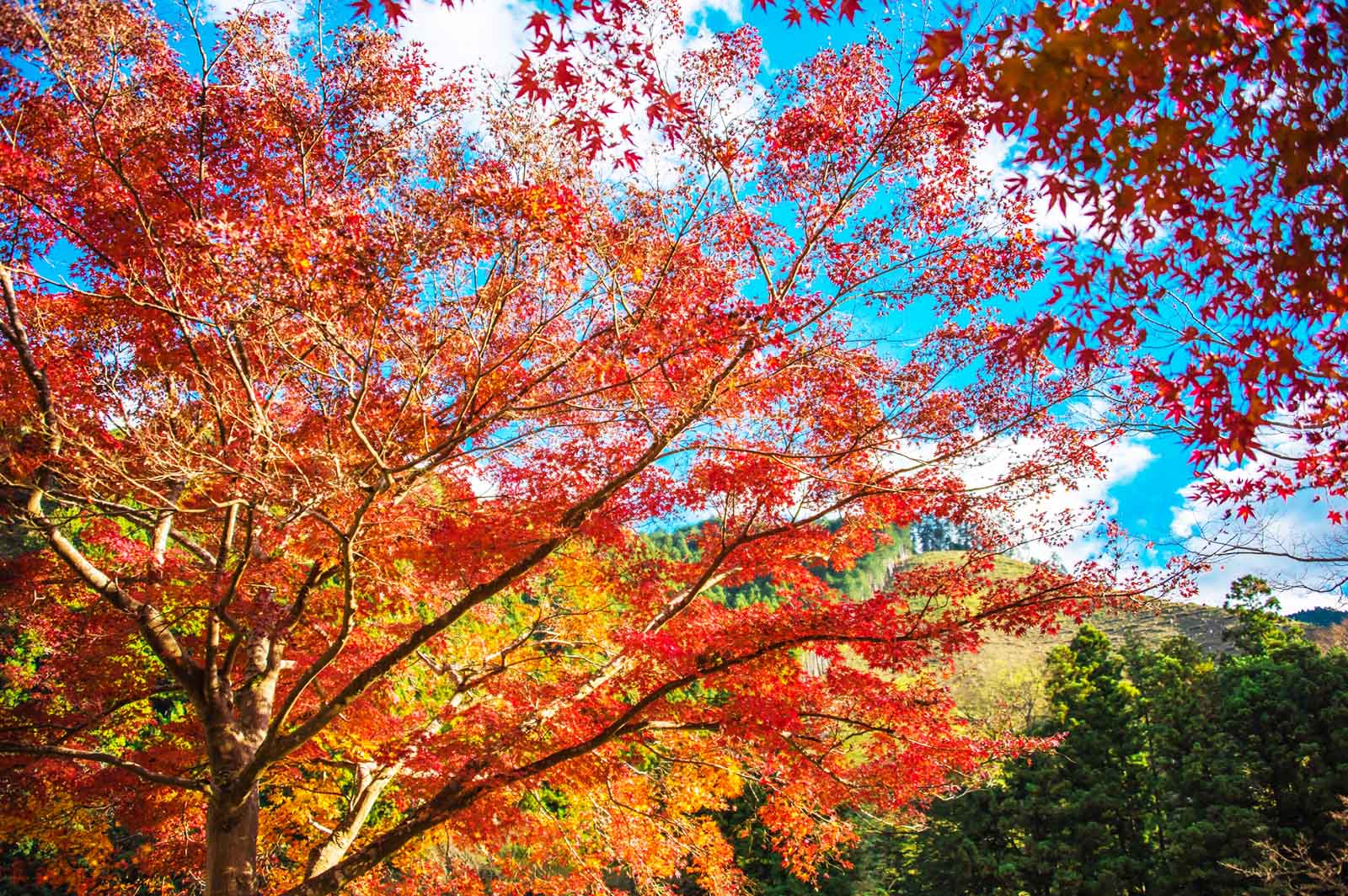
- Rinshi-no-mori Park: Straddling Meguro and Shinagawa Wards, this park originated over a century ago as an official forestry experimental station during the Meiji period. The narrow, linear park preserves rare tree species and ancient trees over a hundred years old. In late autumn, giant maples, ginkgos, metasequoias, and trident maples weave a canopy of red, deep orange, and gold. Visited mostly by neighborhood locals, it offers a peaceful, forest-like experience free from heavy tourist crowds.
- Neighborhood Overview & Lifestyle Appeal: Meguro Ward is one of Tokyo’s most popular stylish residential districts. Areas near the park—such as Musashi-Koyama, Gakugei-daigaku, and Shimo-Meguro—feature rich lifestyle amenities, including Musashi-Koyama PALM, one of Kanto’s famous covered shopping arcades, alongside trendy cafes and specialty eateries. With quick transit access via the Tokyu Meguro and Tokyu Toyoko Lines to Meguro, Shibuya, and Otemachi, it offers an ideal balance of city access and quiet residential comfort.
- Location Potential & Asset Observations: Meguro Ward maintains high popularity among high-earning professionals, creative industry workers, and young families. Station-front redevelopment projects around Musashi-Koyama have attracted quality buyers seeking modern amenities. Scarce land availability paired with resilient local demand gives residential properties here strong price retention and upside potential over time.
2. Setagaya Ward: Todoroki Valley
Foliage Spots & Neighborhood Appeal:
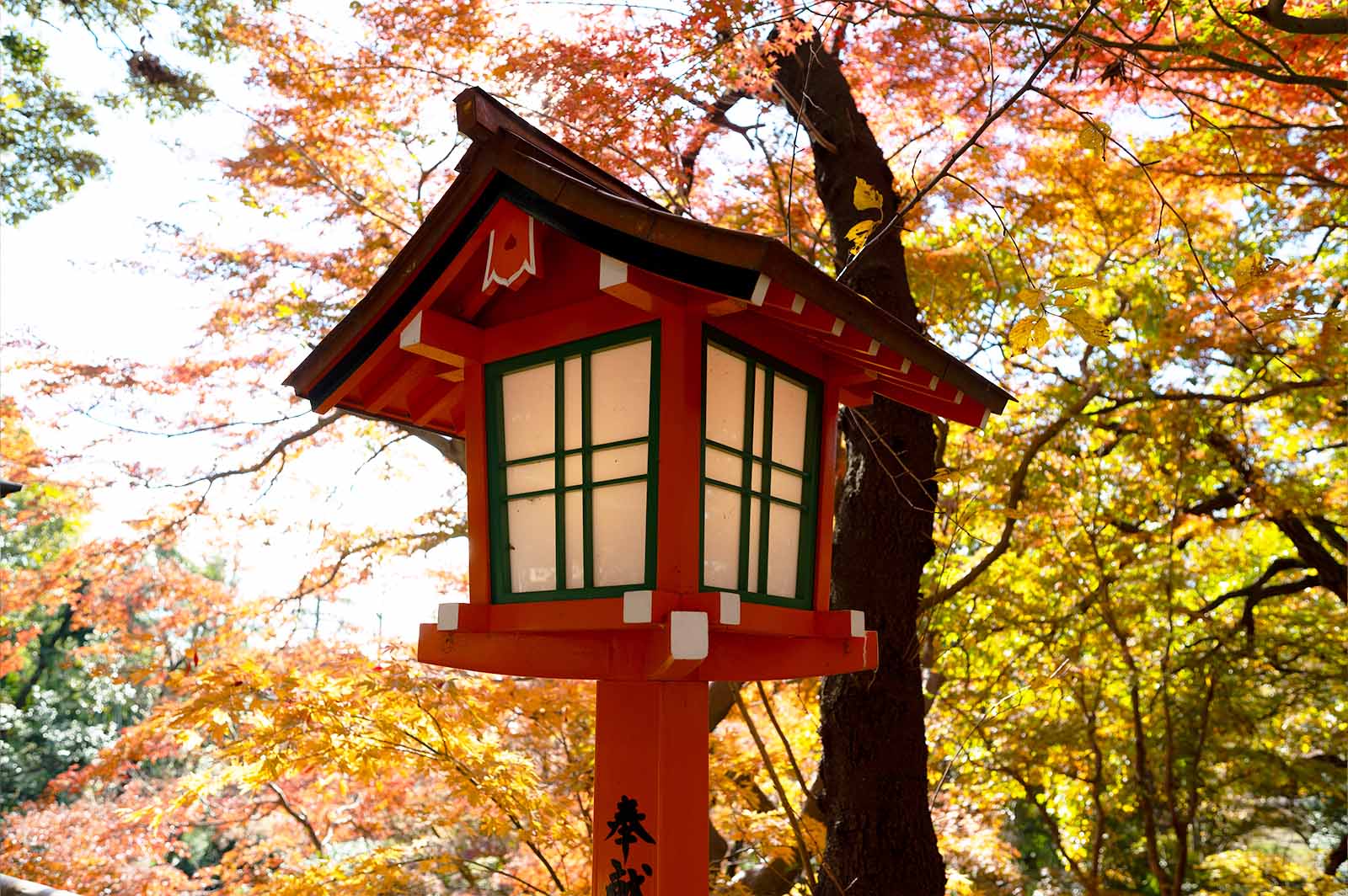
- Todoroki Valley: Nestled within a tranquil residential pocket of Setagaya Ward, Todoroki Valley is the only natural gorge within Tokyo’s 23 wards. A 1-kilometer walking trail along the Yazawa River passes steep wooded slopes covered in zelkova, oak, and Japanese maple trees. In autumn, red and golden leaves canopy the sky, covering the wooden boardwalks and the vermilion Golf Bridge (Golf-bashi). At the end of the trail lie Todoroki Fudoson Temple and a traditional sweet shop, evoking the feeling of a secluded mountain hideaway in Kyoto.
- Neighborhood Overview & Lifestyle Appeal: Located in southwestern Tokyo, Setagaya Ward represents Tokyo’s classic high-end residential living (encompassing districts like Jiyugaoka, Futako-Tamagawa, Seijo, and Sangenjaya). Characterized by high greenery ratios, ample parks, top-tier schools, low crime rates, and a relaxed pace of life, the Todoroki area offers excellent livability. Residents enjoy convenient access via the Tokyu Oimachi Line to shopping at Futako-Tamagawa or cafes in Jiyugaoka.
- Location Potential & Asset Observations: Setagaya Ward consists primarily of low-density, low-rise residential zones and single-family homes , supported by an established, stable resident base with low mobility. Property values near Todoroki and Futako-Tamagawa have historically demonstrated strong price resilience during market downturns. For buyers prioritizing lifestyle quality and steady capital preservation, Setagaya remains a premier residential choice.
3. Shinagawa Ward: Togoshi Park
Foliage Spots & Neighborhood Appeal:
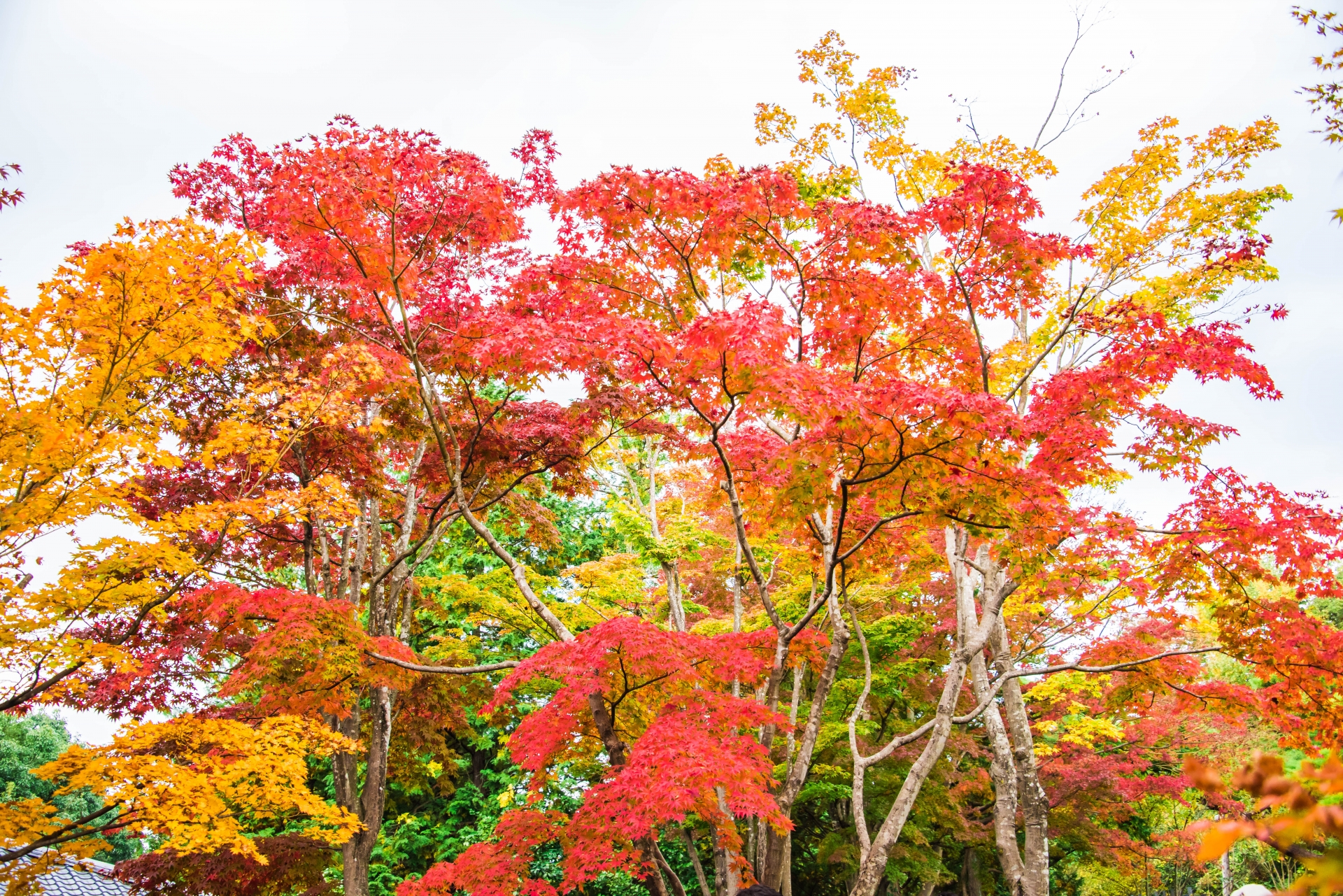
- Togoshi Park: Located near Togoshi-Ginza, one of the longest traditional shopping streets in the Kanto region, this park was originally a secondary estate (Shimoyashiki) of the Hosokawa clan, lords of the Kumamoto Domain in the Edo period. Preserving historic gates like the Yakuemon and Miyakakumon, the park features a circuit garden centered around a large pond. In late autumn, maples and ginkgos reflect upon the water alongside classic stone lanterns, offering a peaceful Japanese garden experience embedded in a vibrant local neighborhood.
- Neighborhood Overview & Lifestyle Appeal: Shinagawa Ward serves as both a coastal commercial gateway and an established residential district. Togoshi Park sits within walking distance of the 1.3-kilometer Togoshi-Ginza shopping street, home to hundreds of traditional snack stalls, fresh markets, cafes, and local shops. Excellent transit connections put major hubs like Shinagawa Station, Haneda Airport, and waterfront commercial areas within easy reach, offering a charming mix of downtown warmth and modern convenience.
- Location Potential & Asset Observations: Shinagawa Ward benefits directly from large-scale urban renewal projects around Shinagawa Station and future infrastructure developments like the Linear Chuo Shinkansen. Property entry prices around Togoshi and neighboring Oimachi remain more accessible than central urban cores while offering convenience, attracting young professionals, first-time buyers, and renters. As urban renewal benefits spread outward, the area displays solid rental appeal and promising growth potential.
(3) Summary
Appreciating Tokyo’s autumn foliage offers more than a scenic escape, it provides an insightful window into neighborhood quality, public green infrastructure, and real estate location value. Lush natural surroundings and well-maintained green spaces serve as foundational pillars supporting long-term property values and downside price protection. We hope this guide helps you enjoy the breathtaking red and golden leaves while discovering your ideal neighborhood and real estate opportunities in Tokyo.
~ END ~
・Recommended Articles
Exploring Tokyo2022.4.25
Basic Information of Tokyo Area
Tokyo is one of the metropolitan cities in the world. As a capital city of Japan, the city tops the population […]
Exploring Tokyo2025.3.27
Unlimited Potential and Dual Opportunities: Discover Omori’s Lifestyle and Investment Prospects (Part 1) – Omori: A Hub for Living, Leisure, and Investment Opportunities
If you are looking for a Tokyo neighborhood that offers both exceptional living convenience and solid investme […]
Exploring Tokyo2025.4.11
Endless Potential and Dual Opportunities: Discovering the Living and Investment Potential of Omori area (Part 2) – Discovering the Cultural Charm and Investment Potential of Omori Area
If you are in search of a Tokyo district that seamlessly combines convenience with investment potential, the O […]
Exploring Tokyo2024.10.15
Exploring Koenji: A Harmonious Blend of City Convenience and Creative Culture
Koenji is one of the most charming areas along the JR Chuo Line in Tokyo. With its diverse commercial faciliti […]
Subscribe for Latest Property News
Don’t miss out! Subscribe now to stay tuned to the latest trends, news, and listings in Japan’s real estate market.


