
Updated Information
Categories
Popular
How to Buy Real Estate in Japan as a Foreigner: A Complete Step-by-Step Guide
Property Knowledge
【Updated data in 2025】Japan’s Land Prices Continue to Surge, with Tokyo’s 23 Wards Leading the Growth
Market Information

Essential Knowledge for Property Investment in Japan (Part 1): Understanding Japan’s Earthquake Resistance Standards
Property Knowledge
Tokyo Rents Surge to 30-Year High: Why This Rising Trend Signals a Prime Investment Opportunity in the Property Market?
Market Information
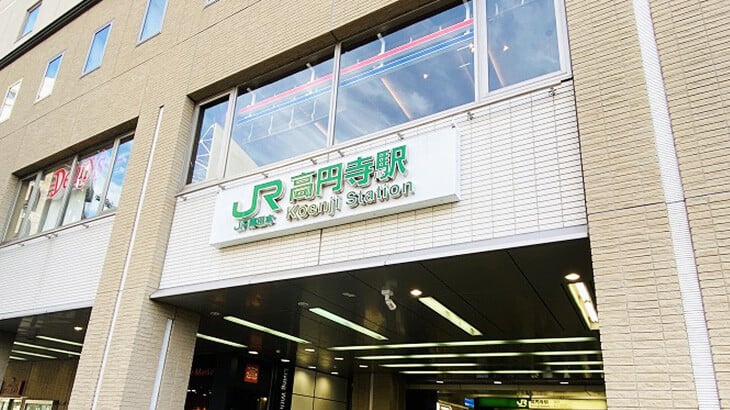
Exploring Koenji: A Harmonious Blend of City Convenience and Creative Culture
Exploring Tokyo
Why Kamata area is the Next Hotspot for Property Investment in Tokyo?
Exploring Tokyo
Why Kamata area is the Next Hotspot for Property Investment in Tokyo?
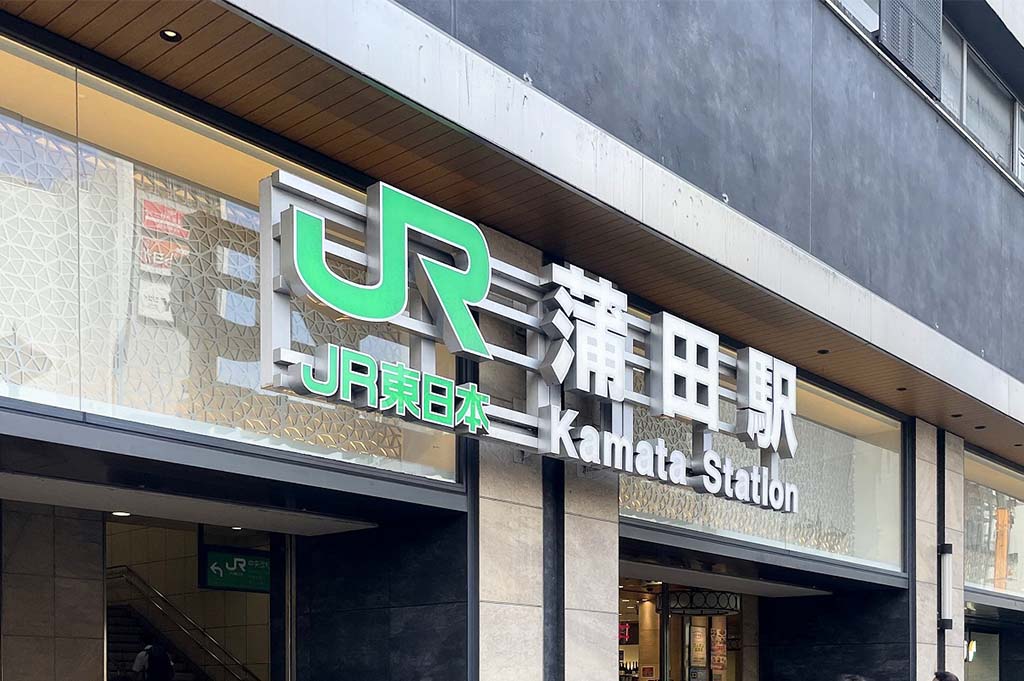
Located in the heart of Ota Ward, Tokyo, Kamata is rapidly emerging as a dynamic area for growth and investment. Strategically positioned between Tokyo and Yokohama, it offers excellent transportation, a vibrant urban lifestyle, and a rich cultural heritage. Ongoing redevelopment and future projects, including the planned new airport line, are enhancing its appeal for residents and investors alike. This article provides a comprehensive overview of Kamata area, highlighting its historical evolution, lifestyle amenities, transportation convenience, key neighborhoods, and real estate opportunities.
OVERVIEW
Located in the heart of Ota Ward, Tokyo, the Kamata area is quickly emerging as one of the city’s most promising districts for growth and investment. Strategically situated between Tokyo Station and Yokohama Station, the area offers unmatched transportation connectivity, combining the energy of urban living with a strong sense of local community. Historically, the area has earned recognition as both an “industrial city” and a “film city,” evolving over decades while preserving its unique character.
Today, Kamata area is undergoing a major transformation through large-scale redevelopment projects, creating a modern urban hub while retaining its traditional charm. Its excellent transport links, rich cultural heritage, thriving commercial zones, and upcoming infrastructure developments—including the planned new airport line (Kamakama Line)—have captured the attention of both domestic and international investors. This combination of accessibility, lifestyle appeal, and future growth potential makes Kamata an ideal choice for those seeking Tokyo’s next prime investment opportunity.
This article provides a comprehensive overview of the Kamata area, covering its historical evolution, residential lifestyle appeal, and transportation convenience. It explores the neighborhoods around JR & Tokyu Kamata Station and Keikyu Kamata Station, highlighting vibrant shopping streets, integrated cultural and entertainment complexes, and iconic landmarks. Additionally, it examines Kamata area’s real estate investment potential, analyzing future development plans and growth opportunities, and explaining why the area is poised to become one of the key hotspots for property investment in Tokyo.
Table of Contents
- Historical Evolution and Urban Transformation of Kamata area
- Residential Lifestyle Appeal of Kamata area
- Convenient Transportation Network in Kamata area
- Neighborhoods Around JR & Tokyu Kamata Station and Keikyu Kamata Station
- SUNRISE Shopping Street & SUN ROAD Shopping Street
- GRANDUO Kamata Complex & Tokyu Plaza Kamata
- Aprico Hall
- Popurādo Shopping Street
- Keikyu Kamata Asuto Shopping Street & Asuto With Complex
- Ota Ward Industrial Complex PiO
- Distinctive Attractions in Kamata area
- Seiseki Kamata Umeyashiki Park
- Jonan Island Seaside Park
- Kamata Playground
- Haneda Shrine
- Kamata Hachiman Shrine
- Golden Real Estate Investment Opportunities in Kamata area
- Summary
■ Historical Evolution and Urban Transformation of Kamata Area
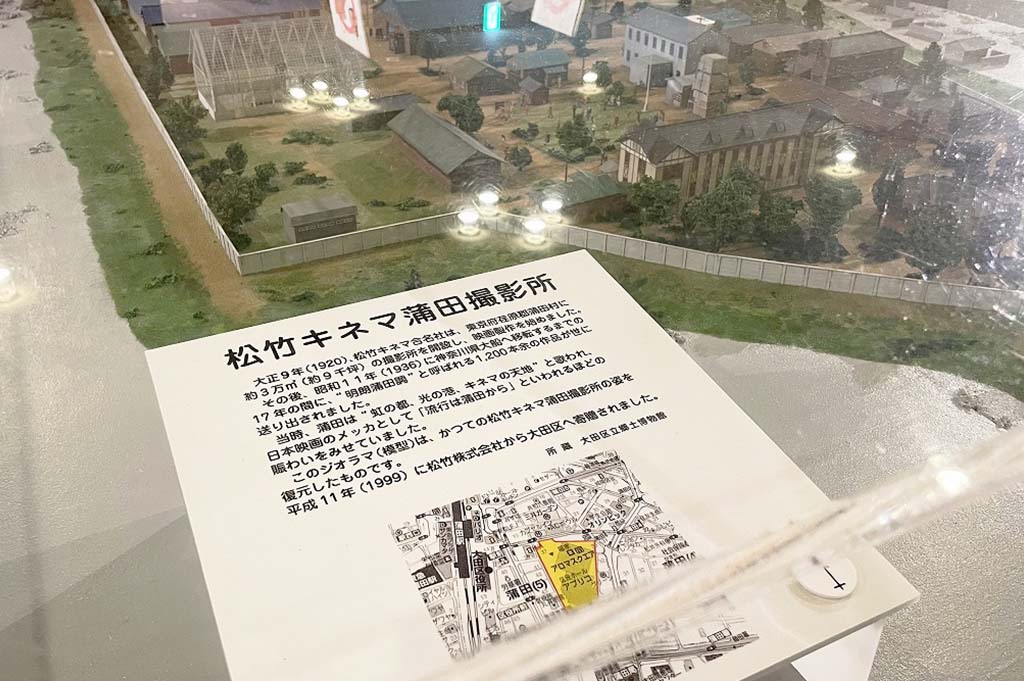
Situated in the heart of Ota Ward, Tokyo, and bordering Kawasaki City in Kanagawa Prefecture, Kamata area has long been a key hub for transportation and economic activity. Its modern urbanization began in the early 20th century with the opening of Keihin Electric Railway’s Kamata Station (today’s Keikyu Kamata Station) in 1901, followed by the opening of Kamata Station (today’s JR Kamata Station) in 1904. At that time, Kamata area was largely rural, but the establishment of iris gardens attracted visitors, prompting the development of transportation infrastructure and establishing the area as an important center for travel and community interaction.
By the 1910s, Kamata area experienced rapid industrialization. Entrepreneurs built large factories accompanied by company dormitories, schools, farms, and supporting facilities, forming early corporate towns that attracted workers from beyond the region. In the 1920s, the arrival of the Shochiku Kamata Film Studio gave the area the cultural distinction of a “movie city,” sparking the growth of a bustling commercial district around the east exit and establishing Kamata area as a unique fusion of industry, culture, and commerce.
Throughout the postwar decades, Kamata area continued to evolve. During Japan’s period of rapid economic growth in the 1950s and 1960s, industrial expansion and improved urban functions drew numerous small and medium-sized enterprises, creating a vibrant industrial and commercial environment. Over time, the districts around the east and west exits of Kamata Station have flourished commercially, while residential amenities have steadily improved, shaping the area into a dynamic urban core that seamlessly balances business, culture, and everyday life.
Today, Kamata area combines a rich historical and cultural heritage with modern urban convenience. Supported by excellent transport networks and ongoing redevelopment projects, the area offers a compelling mix of lifestyle appeal and investment potential, positioning Kamata area as one of the key and increasingly sought-after districts within the Tokyo metropolitan region.
■ Residential Lifestyle Appeal of Kamata Area
Kamata area is a vibrant hub that combines excellent transportation access with a rich and convenient lifestyle. Whether for daily living, commuting, or leisure, the area offers a well-rounded environment that makes it one of Tokyo’s most attractive residential areas. Its appeal also translates into stable, long-term real estate value. The area’s residential charm lies in its comprehensive amenities, abundant commercial resources, high-quality education and healthcare, and a diverse, lively community atmosphere.
(1) Comprehensive Amenities and Thriving Commercial Resources
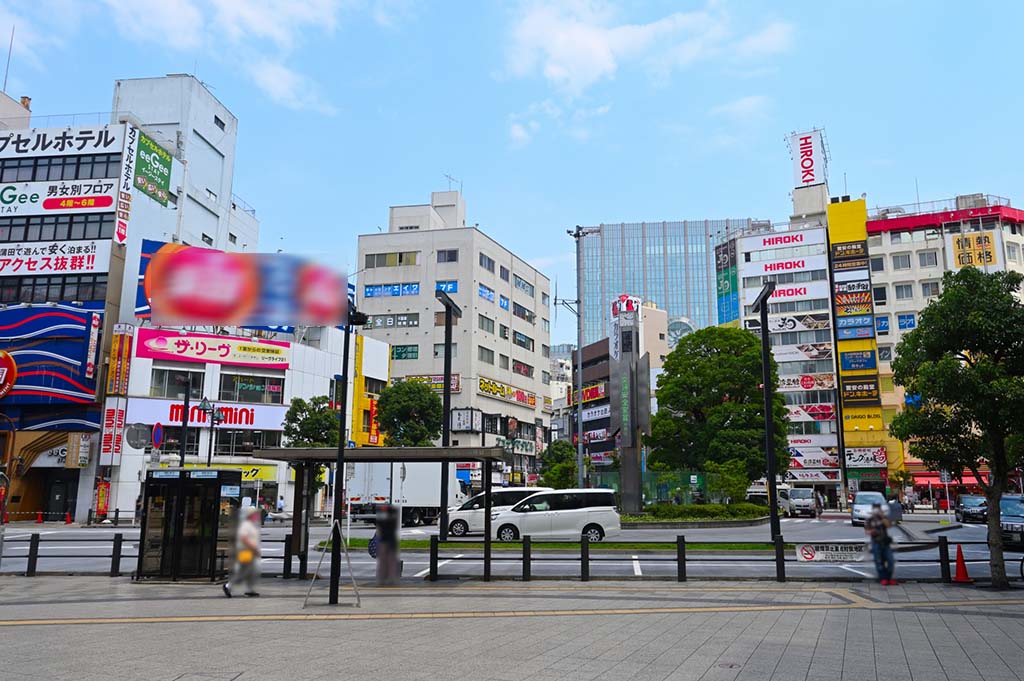
The areas surrounding Kamata Station feature multiple large shopping centers and distinctive commercial streets, creating a seamless one-stop lifestyle hub. From fashion and electronics to daily necessities, residents can find everything they need with ease. Beyond daily shopping, the area boasts a rich and diverse culinary scene. The station area and surrounding streets are lined with restaurants, cafés, and specialty food shops, offering everything from traditional Japanese cuisine and refined Western dining to international flavors, satisfying a wide range of tastes and lifestyles.
The area’s commercial appeal extends beyond shopping and dining. Art galleries, fitness centers, and other leisure facilities provide residents with a diverse array of lifestyle experiences. For investors, this multifunctional commercial environment ensures consistent foot traffic and consumer demand, making it highly attractive for both retail and residential development and providing a strong foundation for long-term investment.
(2) High-Quality Education and Healthcare Facilities
Kamata area offers excellent educational facilities, from kindergartens to primary and secondary schools, making it particularly attractive for families. Some schools provide specialized programs and international curricula, catering to a variety of educational needs. This encourages long-term family settlement while raising the overall quality of life in the area.
Healthcare in the area is equally well-established, with general hospitals, specialized clinics, and 24-hour emergency services available to residents. These comprehensive medical resources provide peace of mind for families and support long-term residents, including the elderly. For investors, strong education and healthcare infrastructure correlates with stable residential demand, particularly for family-oriented and long-term rental properties, enhancing both rental income potential and capital appreciation.
(3) Diverse, Lively Community with Strong Local Spirit
The area is not only convenient but also rich in community culture and local charm. Residents often describe it as a “convenient yet warm and welcoming” area. Year-round festivals, markets, and cultural events allow both residents and visitors to experience Kamata’s unique local identity and strong sense of community.
The area blends the traditional charm of older neighborhoods with the modern energy of emerging commercial districts, creating a distinctive and appealing residential environment. For residents, this fosters a sense of security and belonging. For investors, the area’s strong community identity and cultural character enhance long-term appeal, ensuring sustained demand for real estate and stable property value growth.
■ Convenient Transportation Network in Kamata Area
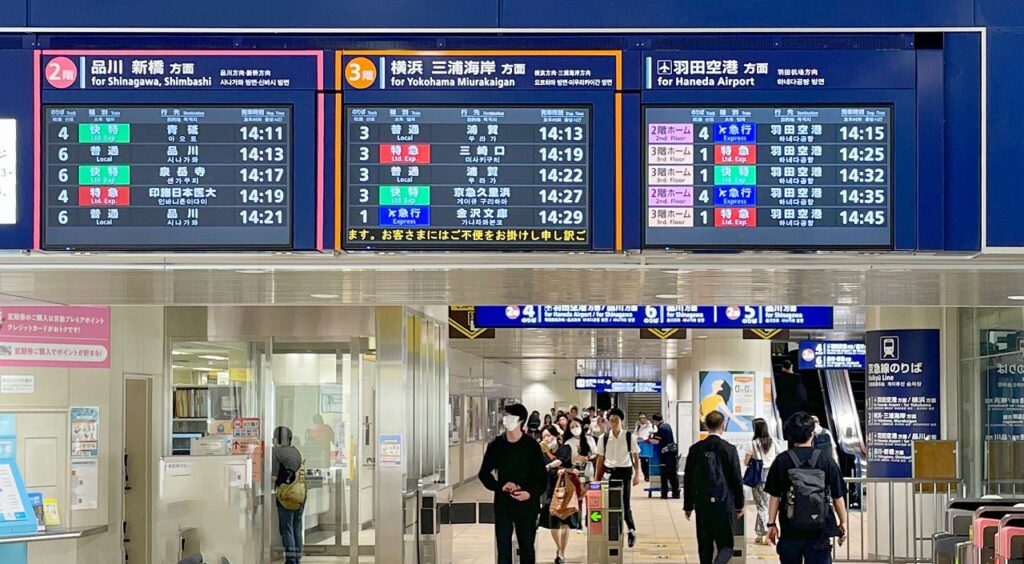
It’s greatest transportation advantage lies in its dual hub system formed by JR & Tokyu Kamata Station and Keikyu Kamata Station. Located just a ten-minute walk apart, these two stations connect five major railway lines, offering unmatched accessibility for residents, commuters, and visitors alike.
Core Transportation Hubs: JR & Tokyu Kamata Station and Keikyu Kamata Station
- JR Keihin-Tohoku Line: Direct access to central Tokyo and Yokohama, providing fast and convenient commuting.
- Tokyu Ikegami Line & Tokyu Tamagawa Line: Cover key residential areas within Ota Ward, enabling easy short-distance travel for local residents.
- Keikyu Main Line & Keikyu Airport Line: Connect Kamata to Shinagawa, Yokohama, and Haneda Airport. The Keikyu Airport Line reaches Haneda Airport in approximately 11 minutes, offering exceptional convenience for frequent business travelers and international visitors.
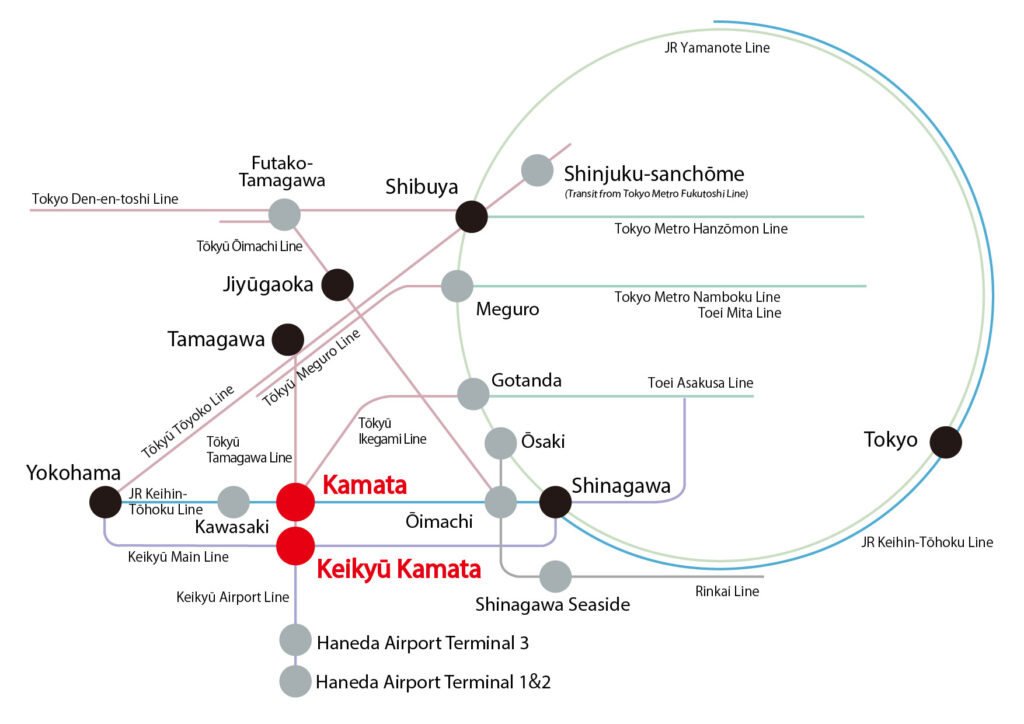
* The above-mentioned travel times to each station are based on morning rush hour and may vary depending on the time of day, and include transfers and waiting periods (source: Jordan, May 2025).
Keikyu Kamata Station: History and Significance
Keikyu Kamata Station opened in 1901 (Meiji 34) as Kamata Station. It was renamed Keihin-Kamata Station in 1925 and received its current name in 1987. As a key station on the Keikyu Main Line, it serves as a central link between Shinagawa and Yokohama. Its direct connection to Haneda Airport further establishes Kamata as a vital gateway for international travel, significantly enhancing the area’s overall transportation value.
Future Transportation Development: The New Airport Line (Kamakama Line)
It’s transportation advantages are set to expand further with the planned “New Airport Line” (commonly referred to as the Kamakama Line). The project agreement was reached between the Tokyo Metropolitan Government and Ota Ward in June 2022 and was officially approved by the Ministry of Land, Infrastructure, Transport and Tourism on October 3, 2025.
The line will connect the Tokyu Tamagawa Line with Keikyu Kamata Station, improving travel efficiency and accessibility. Scheduled to open in the early 2040s, the line will span approximately 0.8 km, linking Yaguchi-no-Watashi Station to a new subway station near Keikyu Kamata Station (provisional name: Kamata New Station). Some trains will provide direct service to the Tokyu Toyoko Line, allowing passengers to travel from Shibuya or Jiyugaoka directly to Kamata New Station without transfers. Commute times are expected to be reduced by 13–22 minutes, greatly improving connectivity from western Tokyo and Ota Ward to Haneda Airport.
This development is designed to strengthen direct connections between major commercial districts such as Shibuya, Shinjuku, and Ikebukuro and Haneda Airport, boosting Tokyo’s international transportation competitiveness. The line will be owned and managed by the Haneda Airport Line, with operational management handled by Tokyu Corporation. Planned service frequency is approximately 20 trains per hour during morning peak times and 10 trains per hour during off-peak periods.
The Kamakama Line will not only enhance commuting efficiency but also create new opportunities for development and investment in Kamata area, reinforcing its position as a strategic transportation hub with long-term growth potential.
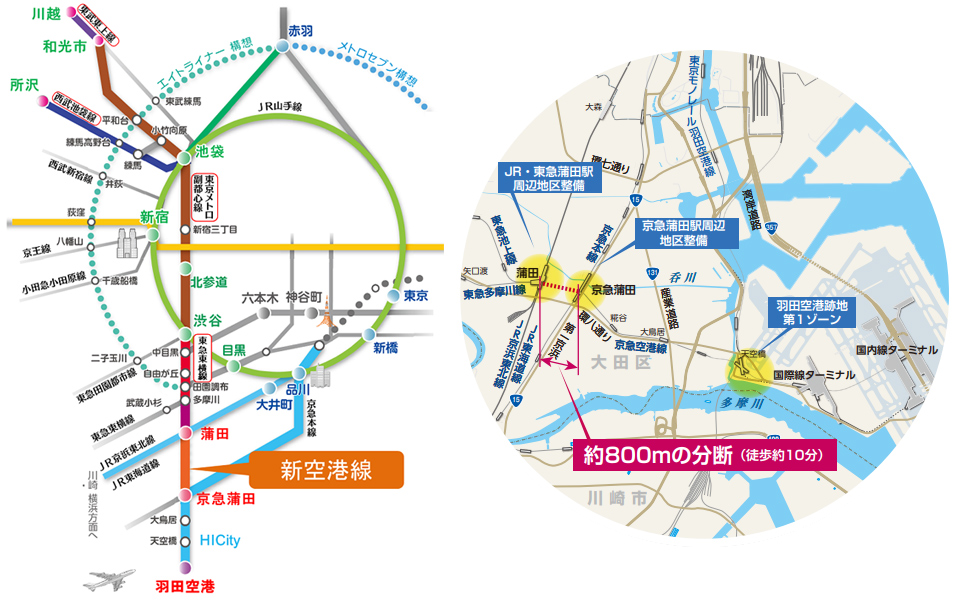
Image Source: Ota Ward Official Website: New Airport Line (Kamakama Line) Main Page
■ Neighborhoods Around JR & Tokyu Kamata Station and Keikyu Kamata Station
The areas surrounding JR & Tokyu Kamata Station and Keikyu Kamata Station form the vibrant core of Kamata area, offering an ideal mix of residential convenience and commercial activity. These neighborhoods host large shopping complexes, distinctive dining streets, cultural facilities, and a wealth of everyday amenities, creating a dynamic, multi-faceted urban environment. With excellent transport connectivity, residents, commuters, and visitors can easily reach key districts across Tokyo. Ongoing redevelopment projects are rapidly transforming the station areas into a modern urban core that combines lifestyle convenience with commercial vitality, attracting growing foot traffic and investment opportunities.
JR & Tokyu Kamata Station
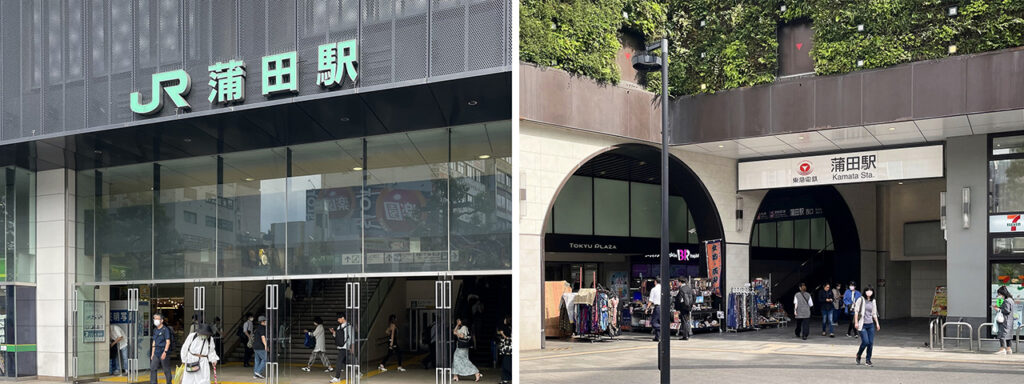
The west side of JR & Tokyu Kamata Station combines shopping, cultural, and entertainment attractions. SUN RISE Shopping Street and SUN ROAD Shopping Street blend traditional and modern stores, while GRANDUO Kamata and Tokyu Plaza Kamata provide seamless shopping and dining experiences. Aprico Hall hosts concerts and exhibitions, offering a diverse range of cultural activities. This area is not only convenient and commercially vibrant but also serves as a hub for cultural exchange and community interaction, making it highly appealing to residents, visitors, and investors alike. It highlights the area’s energy and potential as a central district in western Tokyo.
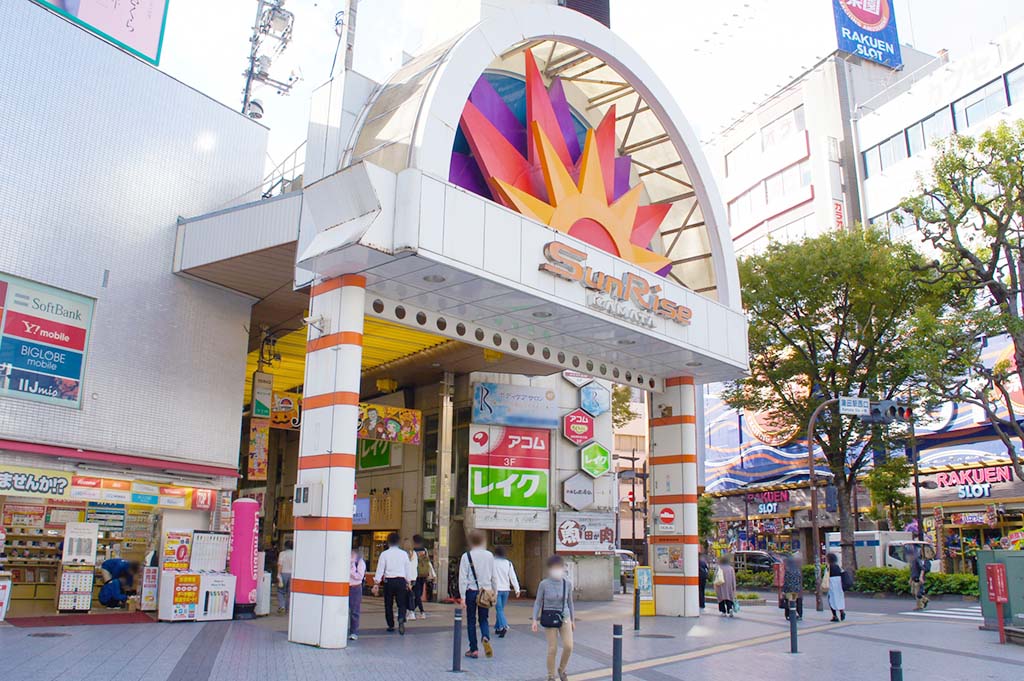
- SUN RISE and SUN ROAD Shopping Streets
Located on the west side of JR & Tokyu Kamata Station, SUN RISE and SUN ROAD Shopping Streets are iconic landmarks. Since the Showa era, these streets have been more than shopping and dining centers—they are cultural symbols that reflect the area’s history and daily life. Stretching over 700 meters and home to more than 150 shops, they feature everything from long-established traditional stores to contemporary fashion boutiques, offering clothing, daily necessities, fresh produce, and local delicacies to meet the needs of residents and visitors alike. - Beyond shopping, these streets offer an authentic taste of Kamata life. The strong sense of community, seasonal festivals, and local markets bring energy and warmth to the streetscape. At night, warm lighting along the arcades creates a nostalgic yet modern ambiance, showcasing the area’s distinctive lifestyle and “shitamachi” charm. For visitors seeking a true local experience, SUN RISE and SUN ROAD Shopping Streets are the perfect starting point.
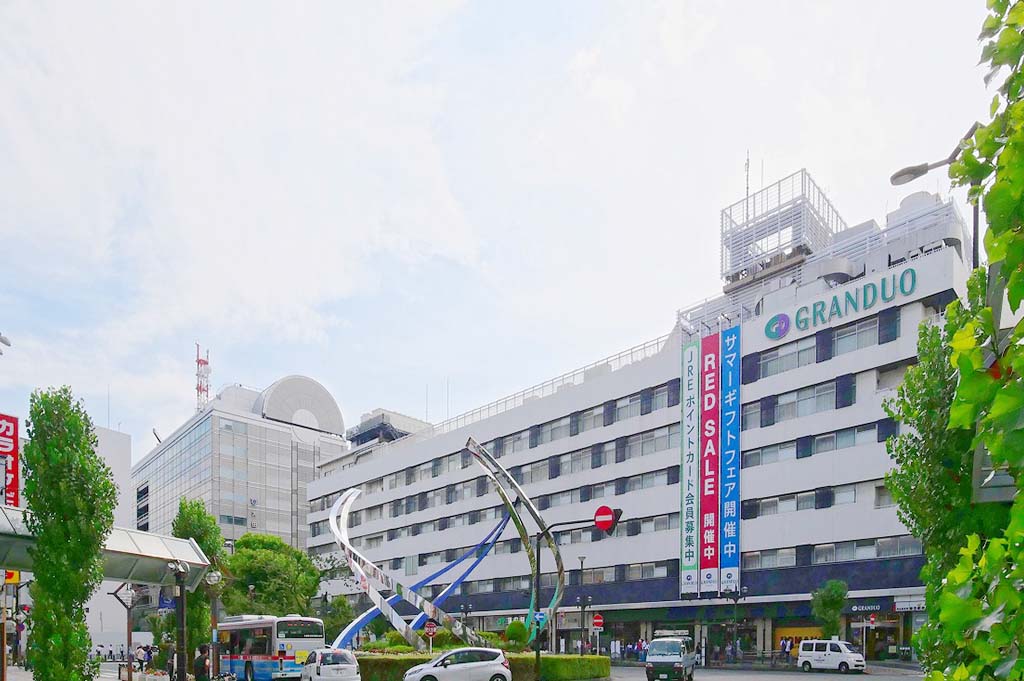
- GRANDUO Kamata Complex and Tokyu Plaza Kamata
As flagship landmarks of Kamata area’s redevelopment, GRANDUO Kamata and Tokyu Plaza Kamata are modern mixed-use complexes integrating shopping, dining, and entertainment, offering an exceptional urban experience for commuters and visitors. GRANDUO Kamata features fashion boutiques, lifestyle products, and diverse dining options, creating a space that merges shopping with style and sophistication. Tokyu Plaza Kamata hosts a variety of restaurants, cafés, and lifestyle specialty stores, offering visitors a wide range of choices. Both facilities are seamlessly connected to JR & Tokyu Kamata Station, enhancing accessibility while providing a vibrant urban experience. They have become key landmarks and community highlights on Kamata’s west side.- GRANDUO Kamata Official Website: https://www.granduo.jp/kamata/zh-hant/
- Tokyu Plaza Kamata Official Website: https://tokyu-plaza.com.t.auj.hp.transer.com/kamata/
- Aprico Hall
Aprico Hall is a major cultural landmark and multifunctional venue in Kamata area, offering professional concert halls, event spaces, and exhibition facilities for a wide range of performances and activities. It regularly hosts music concerts, theater performances, and art exhibitions, and serves as a venue for community events, seminars, and cultural exchange programs. Aprico Hall not only showcases Kamata’s cultural vitality but also bridges the area’s historical heritage with modern urban life, making it a central platform for community engagement. It is a vital part of daily life for residents and an attractive destination for visitors and art enthusiasts seeking to experience Kamata’s unique charm.- Official Website: https://en.ota-bunka.or.jp/facilities/aprico
Neighborhoods AroundKeikyu Kamata Station
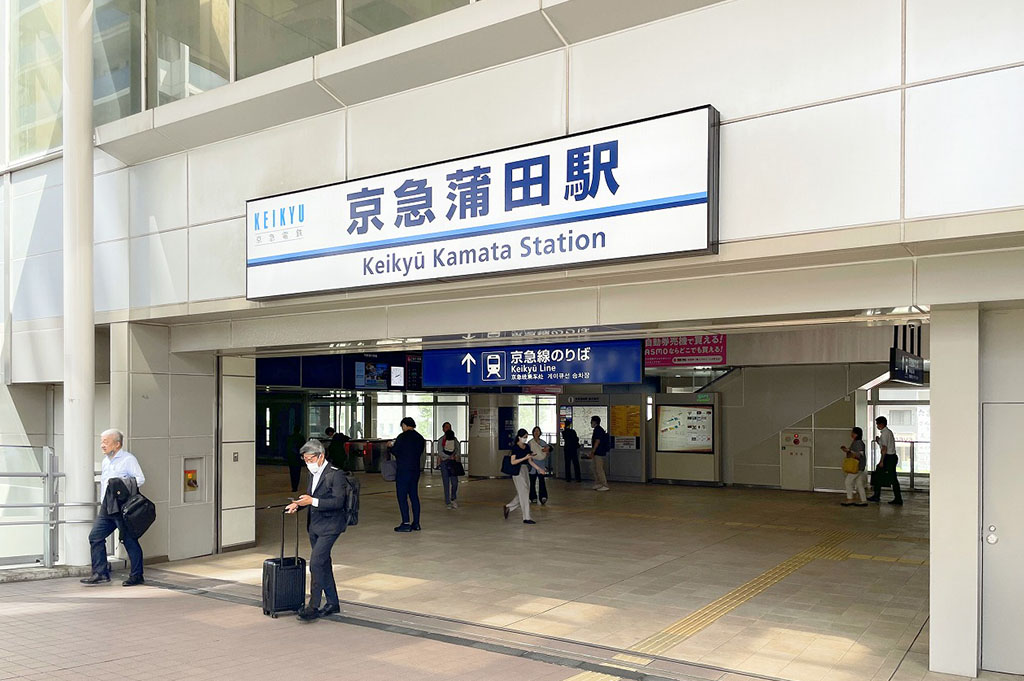
The area surrounding Keikyu Kamata Station forms the vibrant eastern core of Kamata, combining excellent transportation connectivity with diverse lifestyle amenities. This district features the bustling Asuto Shopping Street and the Asuto With mixed-use entertainment complex, the pedestrian-friendly Popurādo Shopping Street, and the multifunctional Ota Industrial Complex PiO. Together, these facilities offer shopping, dining, residential, cultural, and business spaces, attracting commuters, residents, and visitors alike. With its thriving commercial activity and strong community atmosphere, this area exemplifies the unique energy of eastern Kamata area, making it an ideal location for living, leisure, and investment.
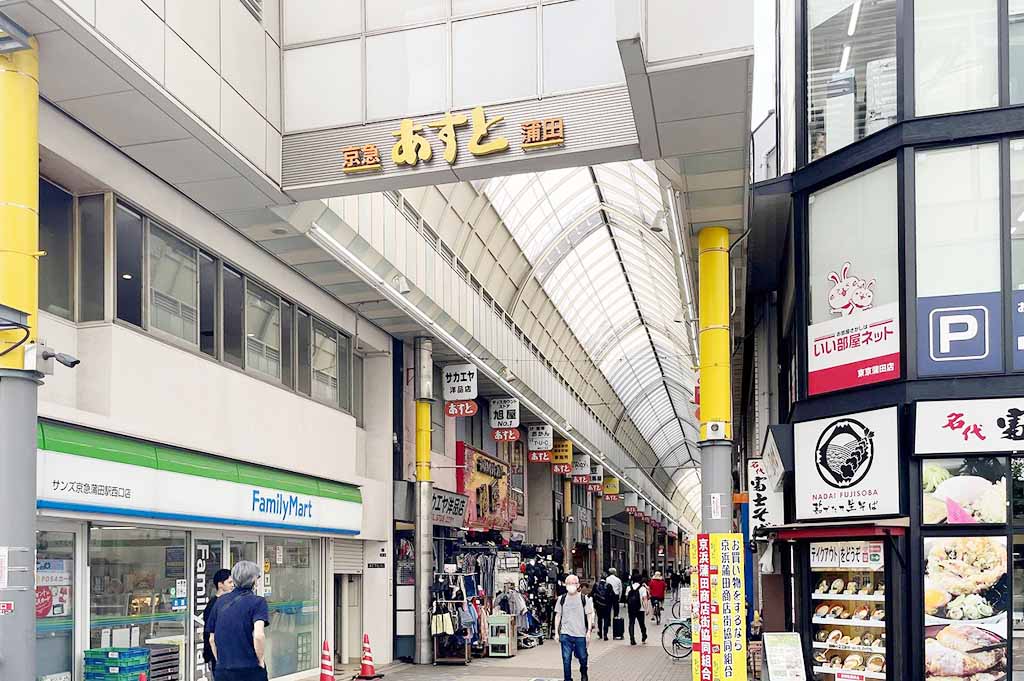
- Asuto Shopping Street and Asuto With Complex
Asuto Shopping Street, located near Keikyu Kamata Station, is a lively commercial hub featuring a wide range of restaurants, specialty stores, and essential services. The directly connected Asuto With Complex integrates retail, residential, and healthcare facilities, creating a convenient, multifunctional lifestyle hub. The station’s direct connection to Haneda Airport enhances international accessibility, establishing the area as an important gateway for both business and international travelers. Overall, the Keikyu Kamata Asuto street and the Asuto With Complex not only improves daily convenience but also reinforces the area’s position as a central transport and community hub in eastern Tokyo.- Asuto With Official Website: https://asuto-with.com/

- Popurādo Shopping Street
Commonly referred to as “Popurādo,” this pedestrian shopping street is the dynamic heart of eastern Kamata area, situated close to both Keikyu Kamata and JR Kamata stations. Lined with a variety of restaurants, cafés, and specialty shops, it combines a bustling commercial environment with a strong sense of community. Beyond shopping and dining, Popurādo provides an inviting space for residents and visitors to stroll, explore, and experience local culture. Recent redevelopment has expanded pedestrian areas and added underground bicycle parking, significantly improving accessibility and the overall quality of the street, further cementing Popurādo’s role as a key lifestyle and commercial hub in eastern Kamata.- Popurādo Shopping Street Website: https://www.e-kamata.jp/
- Ota Industrial Complex PiO
Situated near Keikyu Kamata Station, the Ota Industrial Complex PiO is a multifunctional facility supporting small and medium-sized enterprises and promoting industrial innovation. It provides exhibition, conference, and networking spaces, hosting regular events that attract businesses, entrepreneurs, and visitors. The modern building features a superframe structure, abundant natural light, advanced climate control systems, and PiO PARK, a shared space for activities and events. As a hub for industry and innovation in Ota Ward, PiO fosters business collaboration and technology exchange while connecting the local community to global innovation networks. It enhances the area’s vibrancy and appeal, serving as a central location for business, culture, and social activity, and further strengthens the district’s overall attractiveness.- Official Website: https://www.pio-ota.net/
■ Distinctive Attractions in Kamata area
Kamata area boasts a diverse array of attractions, including historical and cultural sites, parks and green spaces, unique shrines, and leisure facilities, offering residents and visitors rich opportunities for exploration. Whether seeking cultural experiences, nature walks, family-friendly entertainment, or relaxation, Kamata caters to all interests. Here are five remarkable attractions in the area:
● Seiseki Kamata Umeyashiki Park
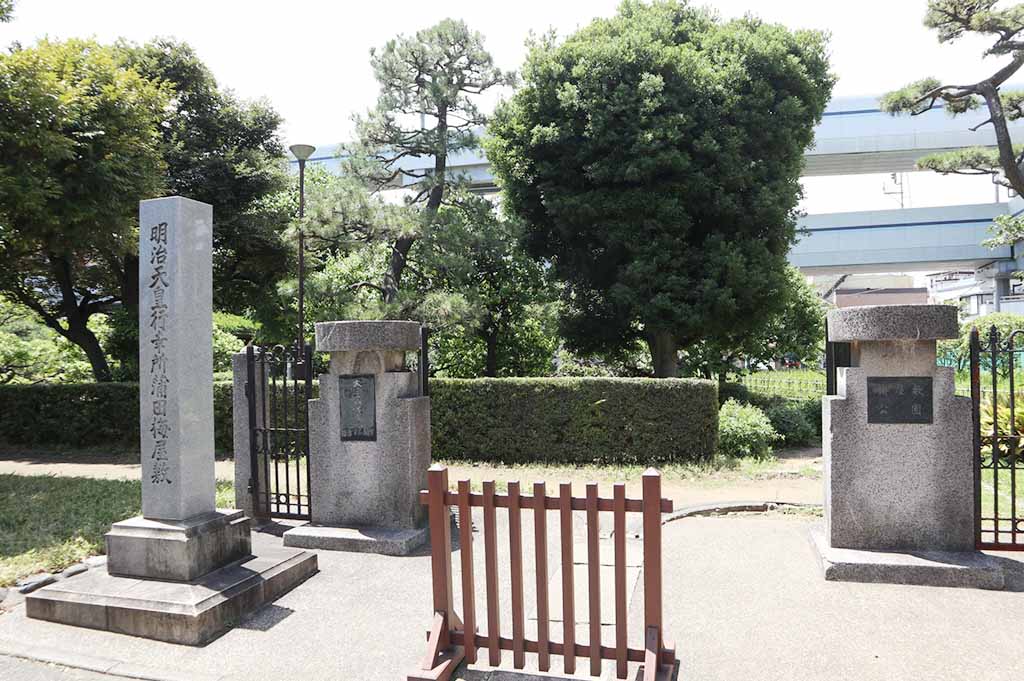
Seiseki Kamata Umeyashiki Park preserves the historical memory of the Edo-era “Plum Village,” offering a glimpse into the area’s cultural heritage. Home to over 100 plum trees, the park transforms into a stunning sea of red and white blossoms each spring, ideal for photography and leisurely strolls. Historical monuments and relics throughout the park highlight Kamata’s rich past. Beyond spring, each season offers unique scenery: verdant greenery in summer, colorful autumn foliage, and serene winter landscapes, ensuring a fresh experience with every visit.
| Address: | 3-25-6 Kamata, Ota Ward, Tokyo |
| Access: | 15-minute walk from JR & Tokyu Kamata Station East Exit; 10-minute walk from Keikyu Kamata Station |
| Opening Hours: | Open all day |
| Official Website: | https://www.city.ota.tokyo.jp/shisetsu/park/umeyashiki.html |
● Jonanjima Seaside Park
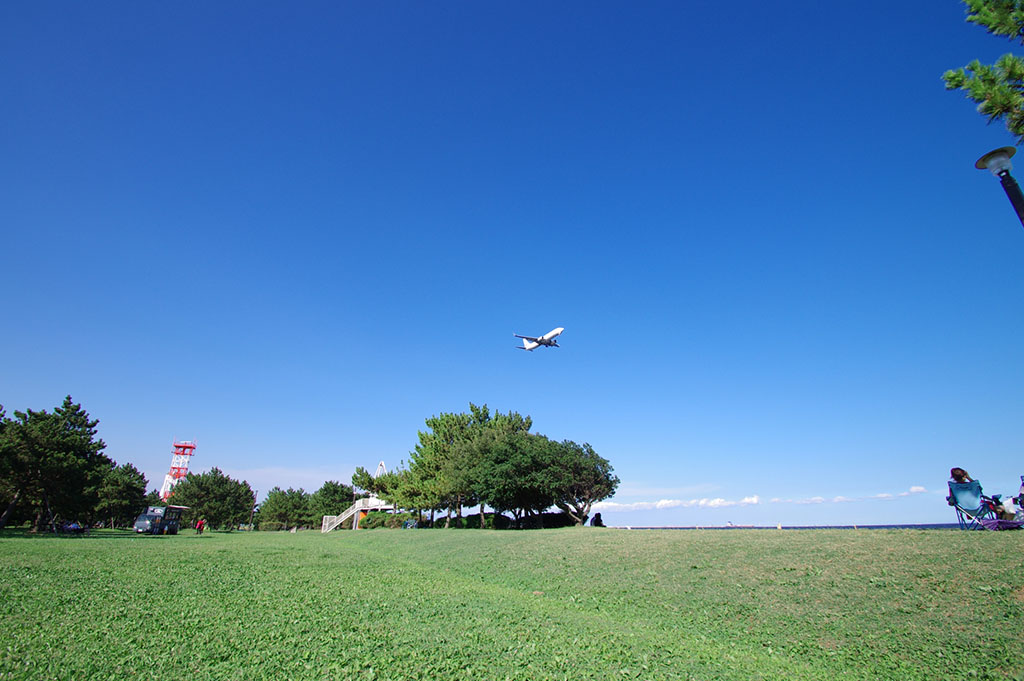
Located along Tokyo Bay, Jonanjima Seaside Park is a recreational haven and one of the best spots to watch airplanes take off and land, attracting aviation enthusiasts and photographers. The artificial beach, “Tsubasa-no-Hama,” offers a space to walk barefoot on the sand and enjoy breathtaking sunsets. The park also features camping and barbecue areas, making it ideal for families, friends, and couples. A skate park and a dog-friendly area cater to diverse interests. With its open views and seaside ambiance, Jonanjima provides a rare urban retreat in Tokyo.
| Address: | 4-2-2 Jonanjima, Ota Ward, Tokyo |
| Access: | Direct bus from JR & Tokyu Kamata Station West Exit or from Keikyu Kamata Station |
| Opening Hours: | Vary by facility |
| Official Website: | https://seaside-park.jp/search_park/park_jonan |
● Kamata Amusement Park

Situated on the rooftop of Tokyu Plaza Kamata, Kamata Amusement Park features the rare “Happiness Ferris Wheel,” offering panoramic views of Kamata area and Tokyo, particularly enchanting at sunset. The park also includes pedal-powered rides, a mini roller coaster, and a children’s play area, combining fun with safety, making it a popular destination for families and couples. Its integration with the commercial area allows visitors to enjoy shopping and dining alongside recreational activities, creating a well-rounded urban experience.
| Address: | 7-69-1 Nishikamata, Ota Ward, Tokyo, rooftop of Tokyu Plaza Kamata |
| Access: | 2-minute walk from JR & Tokyu Kamata Station West Exit; 14-minute walk from Keikyu Kamata Station |
| Opening Hours: | 10:00–18:00 (March–November), 10:00–17:00 (December–February) Closed on January 1, irregular closures, or severe weather |
| Official Website: | https://tokyu-plaza.com/kamata/facility/detail/16 |
● Haneda Shrine
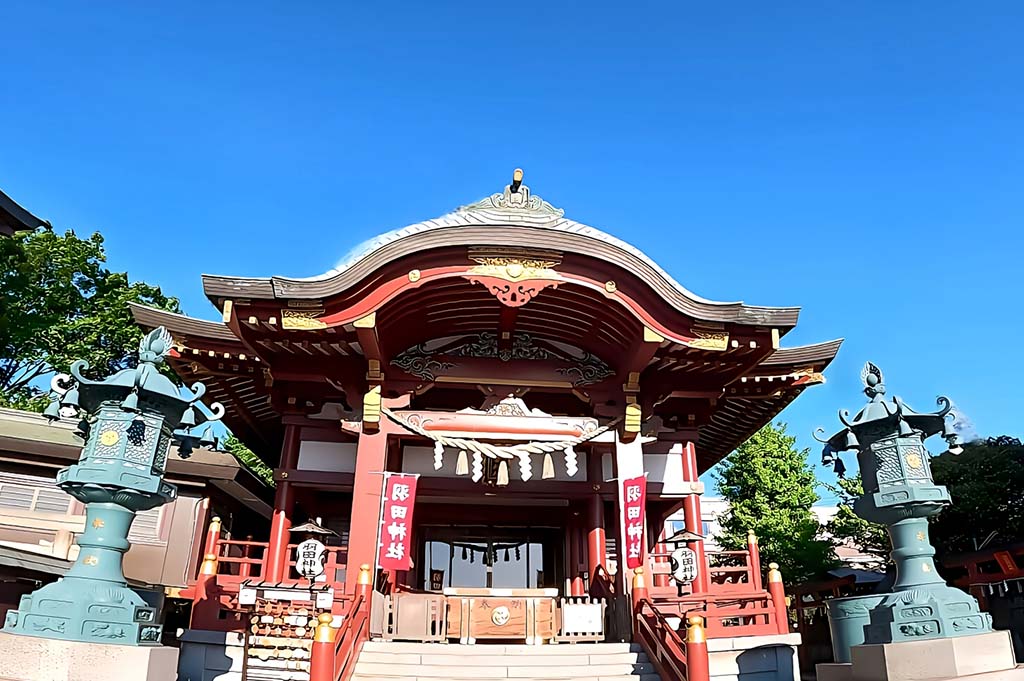
Haneda Shrine, with a history exceeding 100 years and established during the Kamakura period, is renowned for prayers for aviation safety and safe travels. Situated near Haneda Airport, it attracts travelers and aviation professionals alike. The shrine grounds feature ancient stone monuments and carvings, including the “Married Couple Sacred Jewel,” symbolizing love and happiness. During festivals such as New Year, Setsubun, and Shichi-Go-San, traditional ceremonies are held, allowing visitors to experience Japan’s cultural heritage firsthand.
| Address: | 3-9-12 Motohaneda, Ota Ward, Tokyo |
| Access: | Approx. 15 minutes by bus from Keikyu Kamata Station; 10-minute by bus from Haneda Airport International Terminal 3 |
| Opening Hours: | 09:30–16:00 (except specific dates) |
| Official Website: | https://www.hanedajinja.com/index.htm |
● Kamata Hachiman Shrine
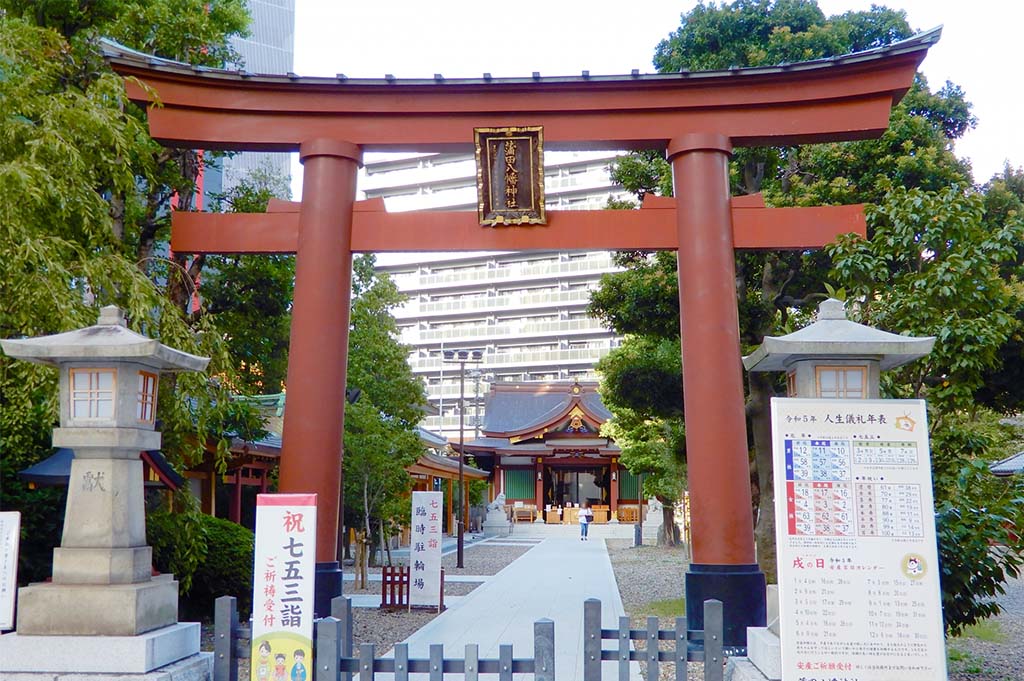
Kamata Hachiman Shrine is a historic shrine known for prayers spanning commercial success, academic achievement, and family wellbeing. The shrine preserves ancient burial mound remains, offering visitors a glimpse into Kamata’s past. Each spring, cherry blossoms blanket the grounds, creating a photogenic scene that attracts many visitors. The shrine’s colorful goshuin (stamp seals) are popular among collectors, making it a destination that combines culture, history, and natural beauty.
| Address: | 4-18-18 Kamata, Ota Ward, Tokyo |
| Access: | 3-minute walk from Keikyu Kamata Station; 9-minute walk from JR & Tokyu Kamata Station West Exit |
| Opening Hours: | 10:00–15:30 |
| Official Website: | https://www.kamatahachiman.org/ |
■ Golden Reat Estate Investment Opportunities in Kamata Area
Kamata area demonstrates exceptional real estate investment potential, fueled by its strategic location, extensive transportation network, vibrant lifestyle environment, and ongoing redevelopment projects. Positioned between central Tokyo and Yokohama, Kamata offers direct access to Tokyo’s city center, Yokohama, and Haneda Airport, attracting both domestic and international residents and driving demand for residential and commercial properties.
Ongoing redevelopment is reshaping Kamata area into a modern, highly connected urban hub. Expanded station plazas, new mixed-use developments such as Asuto With complex, and improved pedestrian areas significantly enhance the area’s attractiveness. The confirmed Kamakama Line—an underground link connecting JR & Tokyu Kamata Station with Keikyu Kamata Station—will integrate transportation and strengthen Kamata’s role as a commercial, cultural, and lifestyle center, directly boosting property values in the surrounding area.
The area also offers comprehensive lifestyle amenities, including shopping centers, dining streets, cultural facilities, parks, schools, and healthcare services, creating stable and diverse residential demand. This draws young professionals, families, and international residents alike. Beyond traditional residential developments, station-adjacent retail spaces, mixed-use projects, and hotels near Haneda Airport present strong investment opportunities. For example, the en-bloc residential building COCOCUBE Higashi-Kamata, developed by Hokushin Fudosan, features modern architectural design and premium materials, providing stylish, comfortable living. This project not only caters to high-end residential demand but also offers strong capital appreciation potential, making it an attractive option for forward-thinking investors.
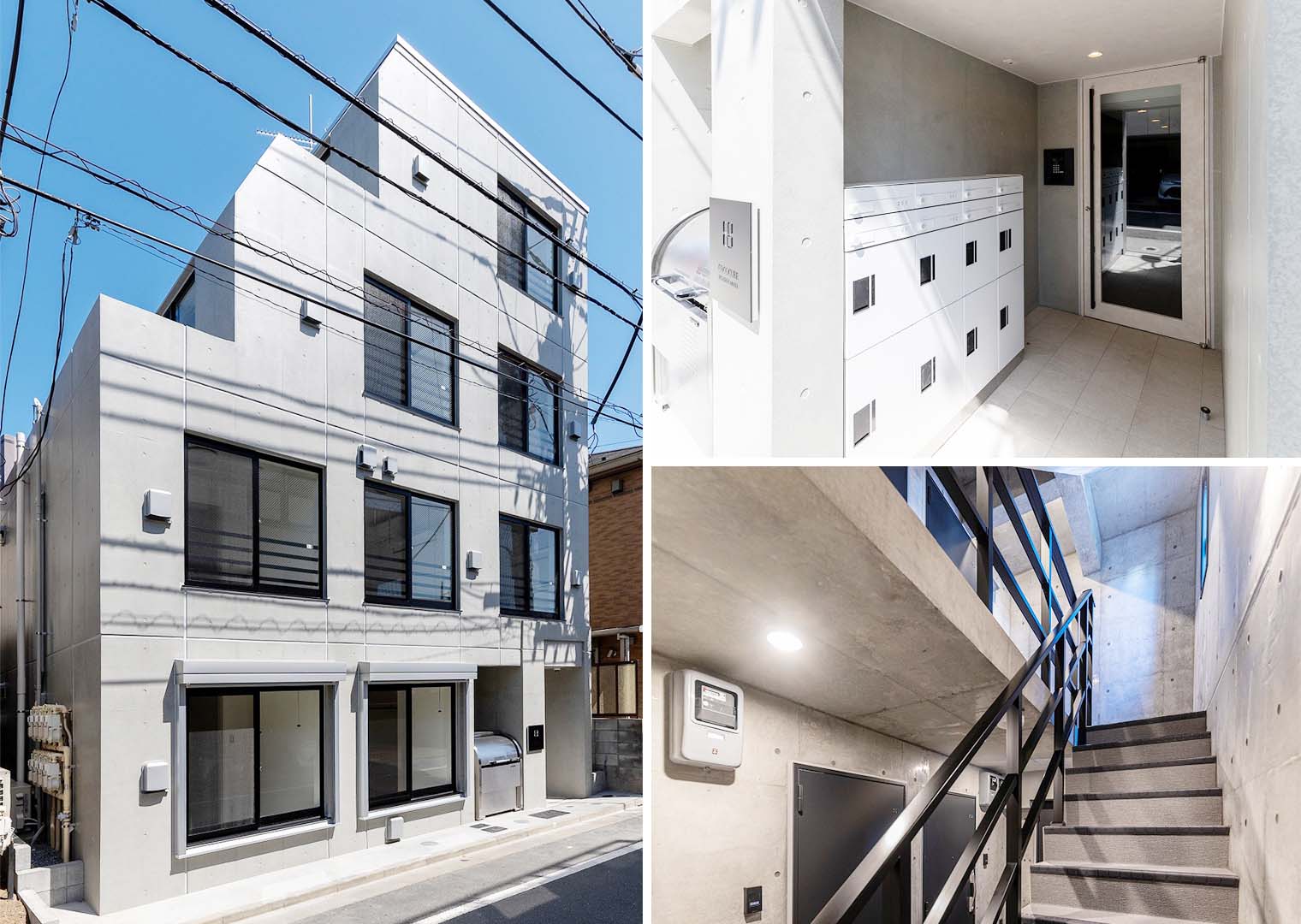
Overall, the combination of historical richness, cultural assets, modern conveniences, strategic urban development, and high-quality residential projects in Kamata area ensures its real estate investment potential continues to grow. In the coming years, the area is set to become one of Tokyo’s most promising urban cores, offering significant opportunities for investors seeking long-term, stable growth..
■ Summary
Kamata area is rapidly emerging as one of Tokyo’s most dynamic and promising districts, exemplifying a harmonious blend of historical heritage and contemporary urban living. With superior transportation accessibility, a thriving lifestyle environment, and vibrant cultural character, the area exudes a unique charm. Ongoing redevelopment—including new shopping centers, upgraded transit networks, and modern residential projects—is transforming the area into a hub for living, working, and investing.
Future initiatives such as the Kamakama Line will further enhance connectivity, solidifying the area’s position as a key urban core in both Tokyo’s eastern and western corridors. Its comprehensive infrastructure, vibrant commercial scene, and continuous redevelopment momentum make Kamata area an ideal location for residents and investors alike, offering unmatched lifestyle appeal alongside long-term real estate value growth.
~ END ~
・Recommended Articles
Property Knowledge2024.10.9
Essential Knowledge for Property Investment in Japan (Part 1): Understanding Japan’s Earthquake Resistance Standards
It is said that 20% of the world’s earthquakes occur in Japan. Since Japan is a country with active Eart […]
Market Information2025.3.21
【Updated data in 2025】Japan’s Land Prices Continue to Surge, with Tokyo’s 23 Wards Leading the Growth
Land prices in Japan, particularly in Tokyo’s 23 wards, have experienced significant increases in recent […]
Exploring Tokyo2025.3.27
Unlimited Potential and Dual Opportunities: Discover Omori’s Lifestyle and Investment Prospects (Part 1) – Omori: A Hub for Living, Leisure, and Investment Opportunities
If you are looking for a Tokyo neighborhood that offers both exceptional living convenience and solid investme […]
Market Information2025.5.2
Tokyo Rents Surge to 30-Year High: Why This Rising Trend Signals a Prime Investment Opportunity in the Property Market?
In a significant market shift not seen in over three decades, residential rental prices in Tokyo’s 23 wards ar […]
Subscribe for Latest Property News
Don’t miss out! Subscribe now to stay tuned to the latest trends, news, and listings in Japan’s real estate market.


