
Updated Information
Categories
Popular
How to Buy Real Estate in Japan as a Foreigner: A Complete Step-by-Step Guide
Property Knowledge
【Updated data in 2025】Japan’s Land Prices Continue to Surge, with Tokyo’s 23 Wards Leading the Growth
Market Information
Essential Knowledge for Property Investment in Japan (Part 1): Understanding Japan’s Earthquake Resistance Standards
Property Knowledge
Tokyo Rents Surge to 30-Year High: Why This Rising Trend Signals a Prime Investment Opportunity in the Property Market?
Market Information
Exploring Koenji: A Harmonious Blend of City Convenience and Creative Culture
Exploring Tokyo
Why Kamata area is the Next Hotspot for Property Investment in Tokyo?
Exploring Tokyo
What are the costs incurred when buying a property in Japan?
First published on 2022.4.28
Purchasing property in Japan involves more than just the agreed purchase price. Beyond the listed cost, buyers face several mandatory closing fees, legal taxes, and post-purchase assessments. This guide breaks down every expense involved in the transaction so you can budget accurately and avoid unexpected surprises.
Acquiring property in Japan involves several additional costs that the buyer must cover. These expenses vary based on the property’s type, size, age, and your chosen payment method. Generally, these fees fall into two distinct categories: government-mandated taxes and handling fees payable to professionals like real estate agents and judicial scriveners. For a second-hand property, you should budget approximately 6% to 10% of the purchase price to cover these transaction costs.
■ Taxes Involved in Property Acquisition
Property transactions in Japan involve several taxes, including consumption tax, stamp duty, real estate acquisition tax, registration and license tax, as well as ongoing annual fixed asset and city planning taxes.
Below is a detailed breakdown of the primary taxes you will encounter when purchasing property.
What is “CONSUMPTION TAX”?
Consumption tax is a national tax levied on the sale of goods and services supplied by businesses in Japan. The current standard rate is 10%. When buying real estate, it is crucial to understand how this tax applies:
- Land is exempt from consumption tax.
- Building structures are taxable only if sold by a corporate seller or business entity. Purchases from private individual sellers are typically exempt.
Note: While most advertised property prices in Japan are inclusive of tax, some listings display prices exclusive of consumption tax. Always confirm with your agent whether the listed price includes consumption tax.
What is ”Stamp Tax” (Stamp Duty)?
Under the Stamp Duty Act, stamp tax must be paid on specific official documents by affixing revenue stamps (Inshi) to the original contracts. This applies to real estate purchase agreements, loan contracts, and construction agreements.
The required stamp tax amount depends directly on the transaction value stated in the contract. For example, under current temporary reduced tax rates, a sales contract valued between ¥50 million and ¥100 million requires a ¥30,000 stamp.
What is “REAL ESTATE ACQUISITION TAX”?
Real estate acquisition tax is a one-time prefectural tax imposed on anyone who acquires property or land, regardless of whether the property was bought or inherited. Crucially, this tax is calculated using the property’s officially assessed value (hyokagaku) from the local tax ledger, rather than the actual commercial purchase price (the assessed value is usually lower than the market price).
- Land and residential buildings: 3%
- Non-residential buildings (commercial/office): 4%
Note: This tax bill is not paid at closing; it is issued by the prefectural tax office 3 to 6 months after you take ownership.
What is “REGISTRATION and LICENSE TAX” (Toroku Menkyo Zei)?
The Registration and License Tax is a one-time national tax imposed when registering your property with the Legal Affairs Bureau. Legally registering this transfer of title is critical, as it officially establishes and protects your rights as the property owner.
This tax is calculated using the property’s government-assessed value (hyokagaku) rather than its actual commercial purchase price. While the standard registration tax rate is set at 2.0%, several government-backed promotional reductions are currently in effect. Under these relief measures, the rate for land transfers is temporarily reduced to 1.5% (an incentive officially extended through March 31, 2029). Furthermore, the rate for building transfers (specifically resale or second-hand properties) is significantly discounted to just 0.3% for qualified residential homes that meet designated floor area and age requirements.
What is “CITY PLANNING TAX & FIXED ASSET TAX”?
Ongoing ownership is subject to two annual local taxes: the Fixed Asset Tax and the City Planning Tax. The Fixed Asset Tax is standard across Japan and is calculated at 1.4% of the property’s government-assessed value (hyokagaku). In contrast, the City Planning Tax is an objective municipal tax capped at 0.3% that is used specifically to fund local urban development and land readjustment projects in designated modernization zones. Both taxes are officially assessed on January 1st of each year, and the local government mails a combined tax bill to the registered owner of record in late spring. However, because the seller is legally responsible for paying the entire annual bill up front, a standard closing practice in Japan requires the buyer to reimburse the seller for a pro-rated portion of these taxes. This proration is calculated based on the exact number of days the buyer will own the property for the remainder of the calendar year.
■ Miscellaneous: agency fee and administration fee
In addition to government taxes, buyers must budget for professional service fees incurred during the transaction process, namely the real estate agency commission and the judicial scrivener’s fee. For properties priced above 4 million yen, the maximum brokerage commission is legally capped at 3% of the purchase price plus a fixed fee of 60,000 yen, subject to an additional 10% consumption tax. This 60,000 yen adjustment is a standard statutory constant used to simplify the calculation, accounting for the higher tax brackets applied to the first 4 million yen of the property’s value.
Furthermore, because registering a property in Japan involves complex legal filings, buyers must hire a licensed judicial scrivener (Shiho-shoshi) to manage the title transfer and handle government administrative procedures. The scrivener’s legal and administrative fees typically range between 80,000 yen and 200,000 yen depending on the complexity of the transaction.
To provide a clear overview of how these taxes and fees function in practice, the following simulation outlines the estimated acquisition costs for a standard second-hand property purchased at ¥40,000,000. This breakdown will help you visualize the upfront capital required to calculate your true all-in investment so you can plan your real estate budget accurately.
| Estimated acquisition Costs | Amount (Japanese Yen) |
| Real Estate Acquisition Tax | 900,000 yen |
| Property Registration and License Tax | 700,000 yen |
| Stamp Tax Fee of documents | 30,000 yen |
| City Planning Tax & Fixed Asset Tax | 100,000 yen |
| Real Estate Agency Fee | 1,360,000 yen |
| Administration Fee of Judicial Scrivener | 100,000 yen |
| GRAND TOTAL | 3,190,000 yen |
Based on the rough calculation above covering basic taxes and fees, the total amount of closing costs comes to ¥3,190,000, which represents approximately 8% of the property purchase price. Because this calculation excludes the consumption tax on the property itself and is intended for general reference, please note that actual costs will always vary depending on market conditions, the property’s specific status, and final transaction details.
■ Conclusion
In conclusion, while the breakdown above outlines the essential taxes and baseline fees required to acquire real estate in Japan, it is important to remember that every property transaction is unique. Depending on your chosen payment method and the specific asset type, several supplementary expenses not covered here frequently arise. These typically include bank mortgage financing fees, loan arrangement charges, and mandatory fire and earthquake insurance premiums. Additionally, if you are purchasing a condominium, you will also need to account for the upfront proration of monthly building management fees and repair reserve funds.
Because these variables can significantly impact your final cash layout, we highly recommend consulting with a professional real estate agency early in your search. Requesting a comprehensive, property-specific cost simulation for your target asset beforehand ensures you can navigate the closing process with complete financial clarity. Partnering with experienced professionals will help you accurately structure your budget, eliminate unexpected surprises, and ensure a seamless property acquisition in Japan.
・Recommended Articles
Property Knowledge2026.7.14
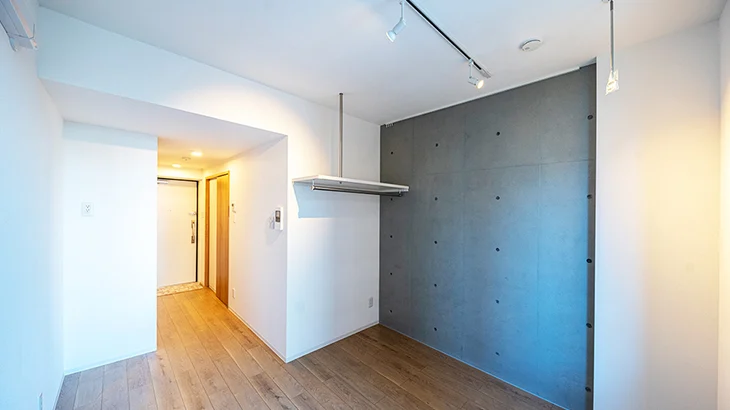
What is the meaning of 1R, 1K, 1DK and 1LDK in Japan property?
First published on 2022.5.23 Understanding Japanese apartment floor plans is essential when buying or investin […]
Property Knowledge2022.7.4
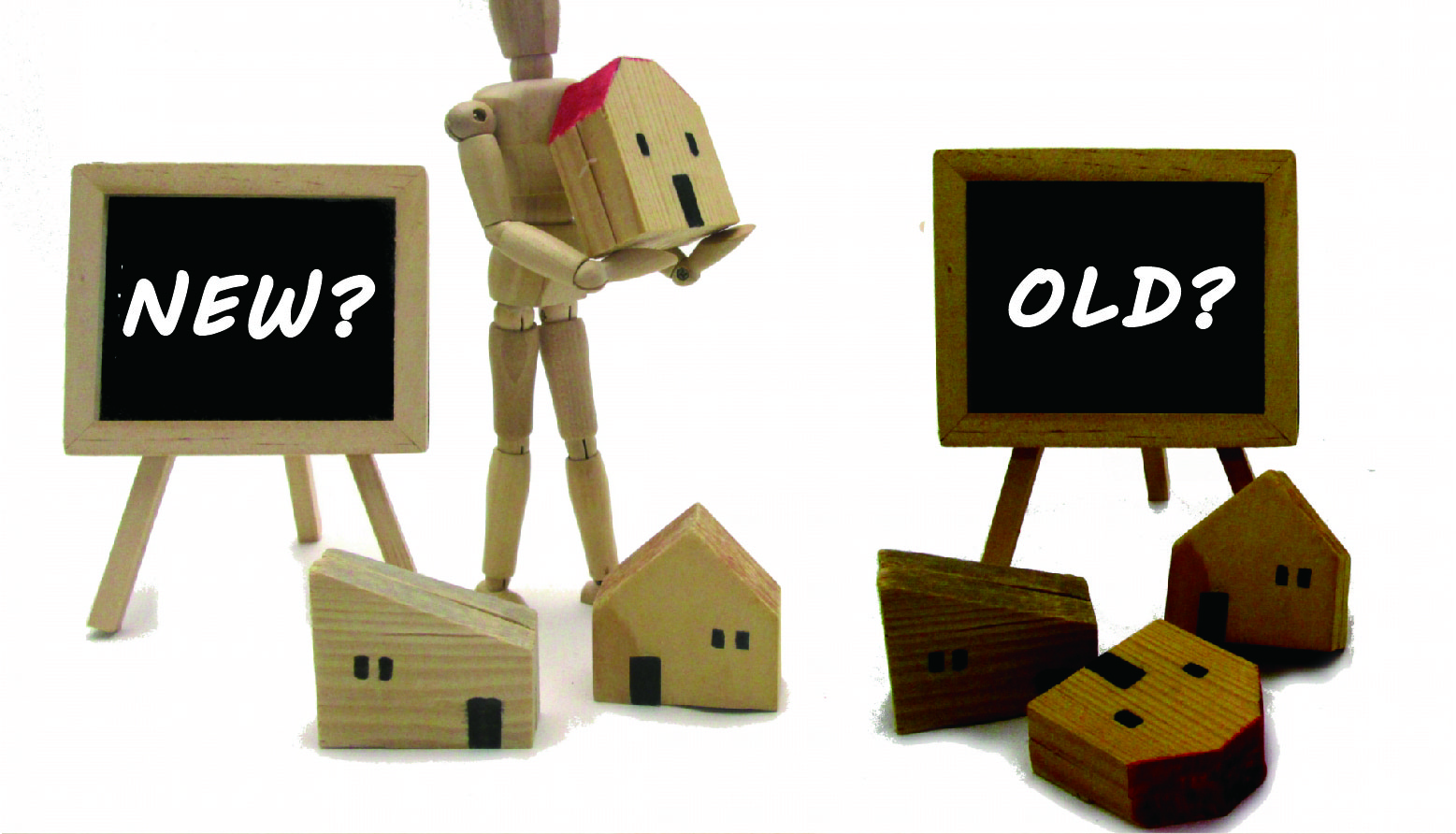
NEW OR OLD? Which one is better for property investment in Japan?
Is it better to invest in a new construction property or a second-hand one?What are the factors affecting the […]
Property Knowledge2025.6.6
How to Buy Real Estate in Japan as a Foreigner: A Complete Step-by-Step Guide
Posted on 2022.9.22 > Updated on 2025.6.6 Basically, the procedure for buying real estate in Japan is more […]
Property Knowledge2023.9.21
What is the meaning of these abbreviations “RC”, “S”, SRC” in building structures, and how will it affect your property selection?
Understanding the building materials and structure of real estate can help you choose a more suitable property […]
Subscribe for Latest Property News
Don’t miss out! Subscribe now to stay tuned to the latest trends, news, and listings in Japan’s real estate market.


